
Jungle Home Design and Construction in Peru
Building a home in the Peruvian Amazon means designing for a climate that rarely gives materials or equipment an easy day. Heat, humidity, intense rainfall and difficult access can influence everything from the foundation to the kitchen cupboards. A well-planned jungle home works with these conditions rather than pretending they do not exist.
WELES Group S.A.C., based in Iquitos, Peru, develops concepts for tropical homes, small residential communities and nature-oriented facilities. Our approach brings together practical design, local conditions, construction planning and the infrastructure required for everyday life in the Amazon.
The objective is not simply to build a wooden cabin. It is to create a house that can be lived in, maintained and repaired under the conditions of the actual site. This may involve a compact home, a larger private residence or a building intended for an ecological hospitality project.
Each project begins with the land. A design that works on well-drained ground near Iquitos may need considerable adaptation on a remote forest plot or an area affected by seasonal flooding.
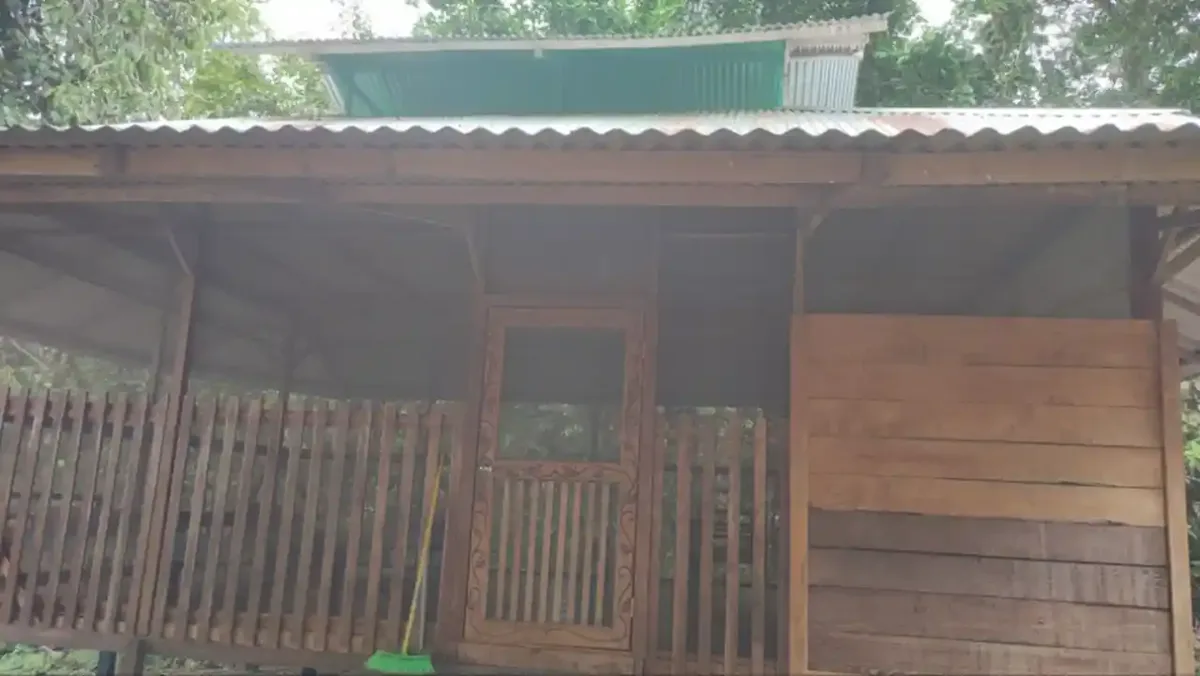
What We Plan for Jungle Homes and Eco-Buildings
Not every client wants the same type of property. Some are looking for a relatively simple home with manageable living costs. Others have a larger household, need a workspace or want to develop an entire property for accommodation or nature-based activities.
The WELES Group approach considers the intended use before selecting materials or drawing a floor plan. The final scope of design, construction or coordination services is agreed individually.
Individual Jungle Homes
Compact or custom-designed houses for private use, with attention to sleeping areas, kitchens, bathrooms, shaded outdoor spaces and manageable maintenance requirements.
Small Residential Communities
Planning concepts for groups of tropical homes where access, shared utilities, privacy and ongoing management must be considered together rather than house by house.
Eco-Lodges and Guest Accommodation
Buildings intended for visitors, nature experiences or appropriate hospitality uses, subject to the relevant land-use, construction and operating requirements.
Custom Tropical Layouts
Site-specific arrangements for verandas, workspaces, storage, ventilation, service access and infrastructure appropriate to the intended occupants.
Two related initiatives demonstrate different residential approaches. SAN MARI Jungle Gate explores housing closer to urban infrastructure, while Project Selva considers more secluded, low-density rainforest living. Both are project concepts; their current building inventory and availability must be confirmed separately.
The Land Comes Before the House Design
A jungle property can look suitable for construction while concealing expensive technical or legal complications. The visible surface is only part of the picture. Soil characteristics, drainage, flooding, access and permitted land use all influence what can actually be built.
Site Conditions That Matter
- Soil and foundations. The bearing capacity, moisture conditions and stability of the soil influence the appropriate foundation design.
- Rainfall and drainage. Heavy rain must be directed away from foundations, paths and service areas without creating erosion or damaging nearby watercourses.
- Flood exposure. Properties near rivers, low-lying ground or seasonally inundated areas need site-specific assessment before any finished floor level can be selected.
- Sun and ventilation. Building orientation, shading and available airflow can influence indoor comfort throughout the year.
- Access to materials. A construction method that seems economical in town may become expensive when machinery and materials must arrive by boat or over difficult tracks.
- Land-use restrictions. Private ownership must not be confused with permission to clear forest or build residential structures.
Where a client has not yet selected a property, it is sensible to examine ownership records and land-use limitations before committing to a building design. Our rainforest land plots and conservation project explains why legal title, forest condition and permitted use must be evaluated separately.
Designing a House for Tropical Heat and Humidity
A tropical house does not become comfortable just because it has large windows or wooden walls. Its roof, openings, orientation and materials must work together.
Natural ventilation can reduce trapped heat, but it must be balanced against insects, wind-driven rain and household security. A shaded veranda may provide valuable living space without increasing the enclosed floor area.
Roofs, Overhangs and Airflow
Roofs receive heavy rain and significant solar exposure. Their design should account for drainage, ventilation, structural loads and access for inspection. Appropriate overhangs can help protect walls and openings from rain.
A ventilated roof assembly may reduce heat accumulation below the covering, although its performance depends on the full construction detail. Gutters and drainage points also need regular attention, particularly where leaves and vegetation can accumulate.
Floors, Timber and Insect Protection
Timber can be useful in tropical construction, but species selection, legal sourcing, treatment, ventilation and maintenance matter greatly. Not every timber performs equally well in persistent humidity.
Raised floors may improve separation from damp ground in suitable locations. They are not a universal solution to flooding or poor soil conditions. Foundation design must follow the actual site assessment.
Openings need effective insect protection without preventing useful airflow. Screens, doors and ventilation details should also be practical to clean, repair and replace.
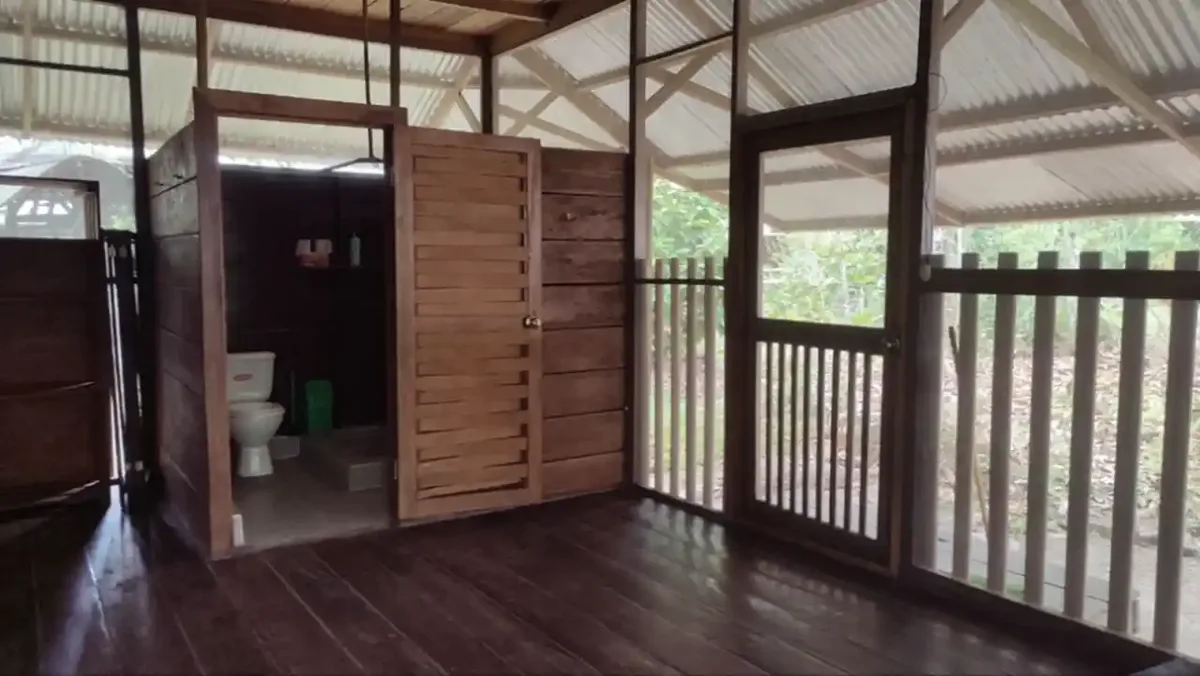
Compact Homes and Custom House Layouts
The size of a house should follow the number of occupants, the intended length of stay and the daily activities the building must support. More space provides flexibility, but also increases construction and maintenance requirements.
The original WELES Group housing concepts describe two broad design ranges. They are useful as planning references, rather than fixed products with guaranteed current prices.
Making a Smaller House Work Better
A carefully designed 50-square-metre home may be more useful than a poorly organised larger building. In the jungle, everyday storage is particularly important. Tools, food, clothing and electronics need protection from moisture and insects.
A covered outdoor area, accessible bathroom, practical cooking space and secure storage often matter more than decorative finishes. The design should allow enough room for repairs and routine cleaning.
Planning a Larger Custom Residence
Larger homes can accommodate separate bedrooms, a home office, workshops, guest rooms or more generous verandas. The arrangement still needs to respond to the site, weather and access.
Custom design also means recognising limits. A large building may be technically possible but impractical because of material transport, ground conditions or ongoing maintenance.
The best house size is not necessarily the largest one.
Before finalising a floor plan, consider how much electricity, water, maintenance and storage the household will need. These decisions affect operating costs long after construction has been completed.
Off-Grid Electricity, Water and Sanitation
Utilities are among the most important parts of a jungle home project. A comfortable building becomes difficult to occupy if its water supply is unreliable or its power system cannot support essential equipment.
Solar Power and Battery Storage
Solar panels may provide electricity for lighting, refrigeration, communication devices, water pumps and selected household appliances. The appropriate system depends on the daily energy demand, peak loads and expected periods of limited sunlight.
Battery capacity should be selected with realistic night-time use and reserve power in mind. Appliances such as air conditioners, electric cookers and water heaters can change the cost and required capacity substantially.
Equipment must also remain accessible for servicing. The ability to obtain replacement parts may be more important than choosing the most sophisticated system available.
Water Collection and Treatment
Rainwater collection can form part of a household water strategy. Storage, roof cleanliness, filtration and treatment need to be planned around expected consumption and seasonal conditions.
Water suitable for washing is not necessarily safe for drinking. A potable water supply requires appropriate treatment, testing and periodic maintenance.
Toilets, Showers and Wastewater
Sanitation must be matched to household occupancy, soil conditions, groundwater and the legal requirements of the site.
Septic arrangements, sealed systems or other treatment solutions cannot be selected reliably from a standard house drawing alone. Their suitability should be established through proper technical assessment.
Internet and Communications
Mobile service can vary greatly between Amazonian locations. Satellite communication may be considered where coverage, equipment and costs make it practical.
Anyone planning to work remotely should investigate actual connection reliability, power consumption and service conditions before treating the house as a dependable workplace.
Our jungle off-grid living guide examines power, water, communications, maintenance and other challenges of independent tropical housing in greater detail.
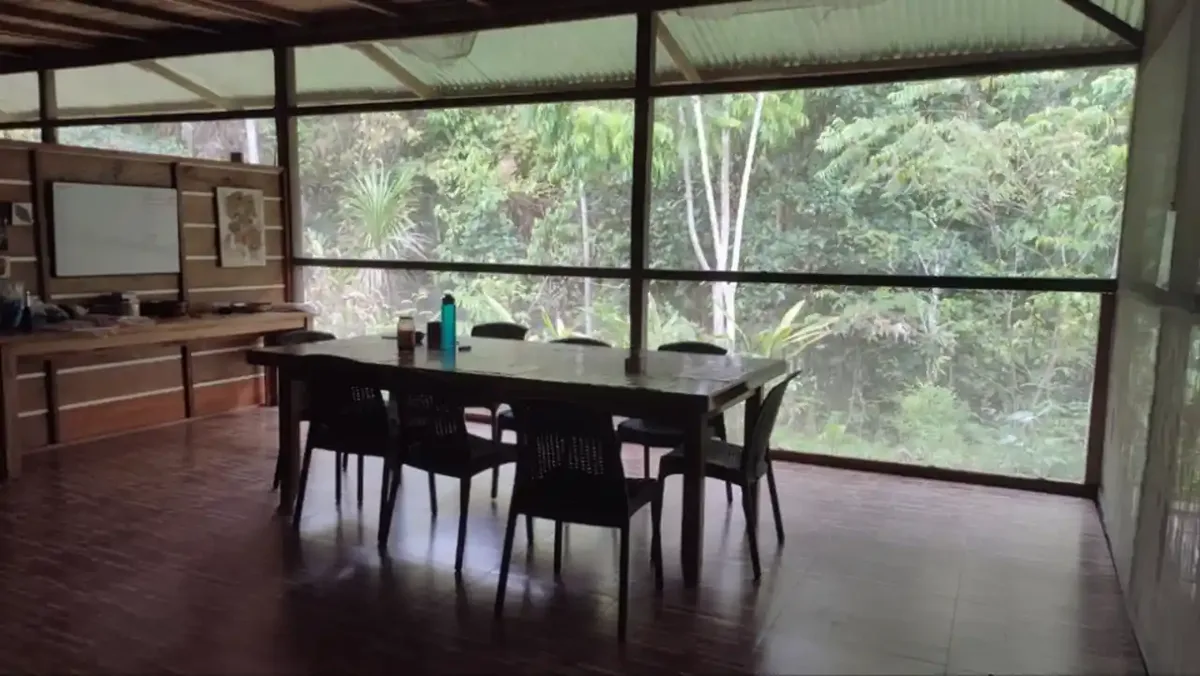
Building Permits and Legal Requirements in Peru
Before construction begins, the legal status of the property and the proposed building must be established.
Owning rural land does not automatically authorise the owner to subdivide it, clear native forest or build a residential house.
Municipal Building Approval
Peru regulates construction and urban development through national legislation and municipal procedures. The applicable building licence depends on the type of project, its characteristics and location.
For certain single-family homes of up to 120 m² that meet the specified legal conditions, a Modalidad A procedure may apply. Other projects may require a different approval process.
See the official Peruvian guidance on single-family home building licences .
Forest Protection and Site Clearing
A building project on forested land may also be subject to forestry and environmental restrictions. The required authorisations depend on the legal classification of the land and the proposed activity.
Peru's SERFOR forest-clearing authorisation procedure is relevant to specified projects involving removal of forest cover. Other circumstances may fall under the competent regional forestry authority.
A small building footprint or an environmentally motivated project does not automatically exempt the owner from applicable approvals.
Title and Ownership Checks
The person commissioning a building must have the necessary legal right to develop the property.
Ownership records, the registered area, property boundaries, restrictions and the permitted use should be reviewed before construction commitments are made.
If you are still searching for a suitable location, consult our guide to legally buying land in Peru before selecting a plot.
Construction planning should follow legal and technical feasibility.
A preliminary house design is not a building permit. A cadastral map is not proof that residential construction is allowed. Site-specific checks and the necessary approvals should come before binding construction commitments.
What Determines the Cost of Building a Jungle Home?
There is no single construction price that can accurately describe every jungle house in Peru.
Two houses with the same floor area can have very different budgets if one has road access and the other depends on river transport or difficult footpaths.
The main cost factors include:
- Site preparation: surveys, drainage, foundations and any legally authorised work needed before construction.
- Transport: delivery of timber, roofing, hardware, tools and heavy equipment.
- House design: floor area, number of rooms, structural complexity and the size of covered outdoor spaces.
- Material specification: timber quality, roof construction, screens, fasteners, finishes and protection against moisture and insects.
- Utilities: solar panels, battery storage, water supply, treatment, sanitation and communication equipment.
- Professional and legal costs: design, technical studies, permits, inspections and other required services.
- Maintenance reserve: future repairs, replacements and access to essential spare parts.
A useful quotation should distinguish between the building itself and infrastructure or site-related expenses. It should also establish what is excluded.
For example, the phrase turnkey house has little practical value unless the contract specifies the actual finishes, fixtures, electricity, water, sanitation, furnishings and handover conditions.
From the First Design Brief to Construction Handover
A well-organised project separates initial ideas from technical decisions and contractual commitments. The exact sequence depends on the scope of work and applicable approvals.
-
Establish the Intended Use
Explain who will occupy the building, whether it is intended for permanent living, occasional visits or another permitted purpose. Identify essential rooms, facilities, budget and preferred timing.
-
Review the Land and Site Conditions
Confirm the property location, legal status, access, drainage, soil conditions and any relevant land-use limitations. Technical and legal investigations are carried out as needed.
-
Develop the Design Brief
Discuss the floor plan, construction approach, materials, veranda, ventilation, utility requirements and maintenance considerations. Identify where a standard concept can be adapted and where custom work is required.
-
Establish Costs, Permissions and Scope
Determine which technical designs, approvals, suppliers and contractors are required. Prepare written terms explaining deliverables, payment milestones, responsibilities and exclusions.
-
Organise Construction and Quality Checks
Where a construction contract is agreed, implementation must account for material deliveries, qualified labour, weather conditions, inspections and necessary adjustments.
-
Complete Handover and Maintenance Planning
The handover conditions should be documented. Relevant equipment instructions, warranties, maintenance schedules and outstanding works should be recorded. Any ongoing support must be agreed separately.
The objective is to make the expectations of both parties clear before money is committed or construction begins.
Caring for a House in the Amazon Rainforest
A jungle home is not maintenance-free. The climate places continuous demands on roofs, surfaces, electrical components and water systems.
Even a well-built house requires regular inspection. Ignoring small problems can allow moisture, insects or blocked drainage to cause more serious damage.
A Practical Maintenance Routine
- Inspect roof coverings, joints, gutters and rainwater collection points.
- Check timber, finishes and vulnerable areas for moisture or insect damage.
- Clean and repair screens, doors and ventilation openings.
- Follow the manufacturer's inspection requirements for solar and battery equipment.
- Maintain water tanks, filters and treatment equipment.
- Keep drainage routes clear without causing unnecessary damage to surrounding vegetation.
- Record repairs and maintain an appropriate stock of frequently needed spare parts.
The most useful maintenance plan is one that people can actually follow with the tools, materials and assistance available in the local area.
Choosing Between Homes Near Iquitos and More Remote Jungle Living
Not everyone who wants to live among tropical trees needs a house deep in the rainforest.
Properties closer to Iquitos may offer more convenient access to supplies, healthcare and other city services. Remote properties may provide greater privacy, but involve more complicated transport and infrastructure.
The right choice depends on the occupant's health, work requirements, household size, available budget and tolerance for isolation.
A person considering permanent relocation should also examine Peruvian immigration requirements. Our moving to Peru and residency guide covers the main legal pathways for foreign nationals.
Those evaluating a larger hospitality development can also review the WELES Amazon retreat property as an example of an existing jungle property with accommodation and supporting infrastructure.
Its sale conditions and operating status are distinct from the custom house-design concepts described on this page.
Common Questions About Building a Jungle Home in Peru
These answers address practical issues that are often overlooked during the early stages of planning a tropical house.
Can I build a jungle house on any privately owned plot in Peru?
No. Private ownership and permission to construct a residential building are separate matters.
The applicable land classification, municipal procedures, environmental restrictions and property rights must be examined. Building or clearing forest without required approvals can create serious legal problems.
Is a wooden house cheaper to build than a concrete one?
Not necessarily. The result depends on material prices, legal sourcing, labour, foundation design, transport and maintenance.
Timber may suit some tropical designs, but high-quality materials and appropriate treatment have costs. A comparison should use full project specifications, not just the price of the main structural material.
Can a jungle home be built during the rainy season?
Construction may be possible, but persistent rainfall can affect excavation, material delivery, ground conditions and work scheduling.
Weather planning depends on the site and activities involved. A sensible schedule should include appropriate allowances for difficult conditions rather than promise an uninterrupted construction period.
Can solar power run air conditioning in a jungle house?
Technically, it may be possible with a sufficiently sized system. Air conditioning can require substantial energy, particularly in a hot climate.
The required solar array, batteries and backup arrangements must be calculated from actual electrical demand. It should not be assumed that a basic off-grid system will support continuous cooling.
How can termites and moisture damage be reduced?
Prevention begins with appropriate material selection, structural detailing, ventilation, drainage and routine inspections.
Timber protection methods should be compatible with the material, climate and relevant safety requirements. Accessible inspection points help detect problems before serious damage develops.
No house should be described as completely immune to insects or moisture.
Can I use locally harvested timber for construction?
Timber must be obtained in compliance with applicable forestry rules. The fact that trees grow on or near private land does not automatically authorise their cutting or commercial use.
Buyers and builders should check the lawful source of materials and retain relevant documents where required.
Does a turnkey jungle home include all furniture and utilities?
Only if the written agreement expressly includes them.
A turnkey specification should identify finishes, doors and screens, sanitary fixtures, electrical equipment, water systems, furniture and any additional installations.
The contract should also explain testing, handover, warranties and exclusions. The term alone does not establish a universal package.
How do I estimate the total cost before construction?
Begin with a realistic design brief and site assessment. Then request an itemised budget separating site work, structure, finishes, utilities, transport, professional services and contingencies.
A price per square metre can be useful for a preliminary comparison, but it cannot replace a site-specific quotation.
Is internet access possible in a remote jungle home?
It may be possible through mobile, satellite or other communications infrastructure. Availability varies considerably.
Anyone who depends on connectivity should check the exact site, equipment requirements, monthly costs and backup arrangements before moving.
Can WELES Group help plan a custom jungle home in Peru?
You can contact WELES Group with your proposed location, intended use, required size, budget and preliminary ideas.
The company can review your enquiry and discuss which planning or coordination services may be appropriate for the project.
The exact scope of work, technical requirements, professional responsibilities and commercial terms are determined individually.
Discuss Your Jungle Home Project with WELES Group
If you are considering a private jungle home, a compact eco-house or a larger tropical building project in Peru, tell us what you would like to develop.
Useful starting information includes the approximate location, whether you already own land, intended use, preferred floor area, budget range and proposed timeline.
WELES Group can review the enquiry and discuss the practical next steps, subject to the legal, technical and commercial conditions of the individual project.
Contact WELES Group About Jungle Home DesignThis page describes design and construction approaches rather than a fixed catalogue of completed homes. Project feasibility, approvals, quotations and service availability require individual confirmation.